We must transform from a linear to a circular economy, in which resources are optimally utilized and reused to realize a sustainable society. As a manufacturer, it is our responsibility to contribute to the creation of a circular economy.
Efficient Use of Resources
Recycling printers
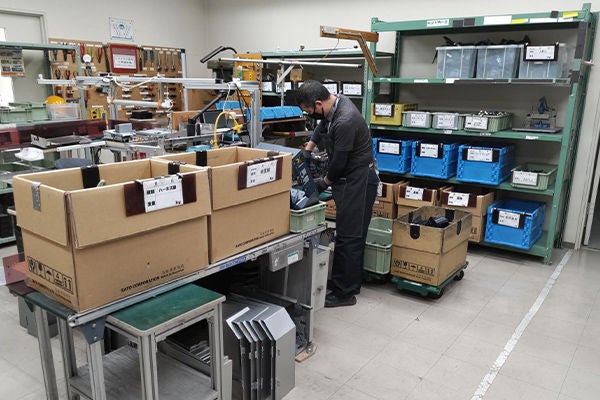
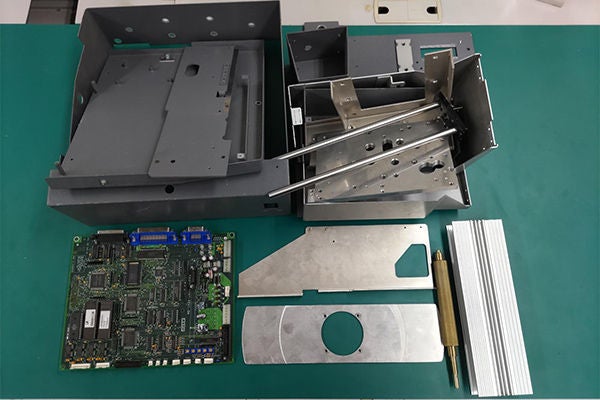
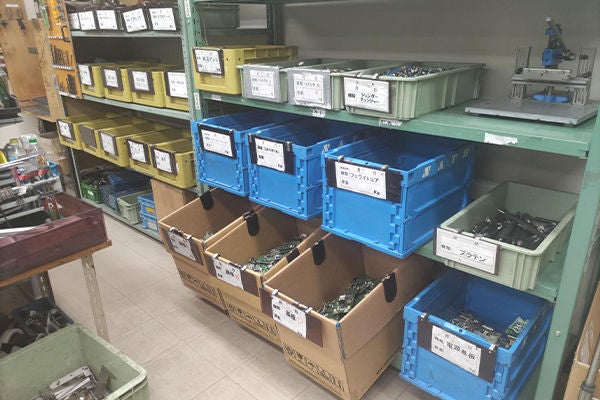
We started recycling printers in Japan in FY 2007. When our users purchase new printers, we collect the old ones at no cost to disassemble and recover the components or metals in-house for reuse.
While we continue to deliver solutions that help reduce waste and make more effective use of natural resources, we also plan to expand our own printer recycling to more locations to close the loop and recycle products right where they are sold. Our target is to contribute to the circular economy by achieving a 40 percent collection rate for used industrial printers worldwide by FY 2028.
Recycling printer batteries
We place strong emphasis on the circular use of resources in-house, working with Envipro Holdings, a recycling services company, to collect and recycle batteries disassembled from printers.
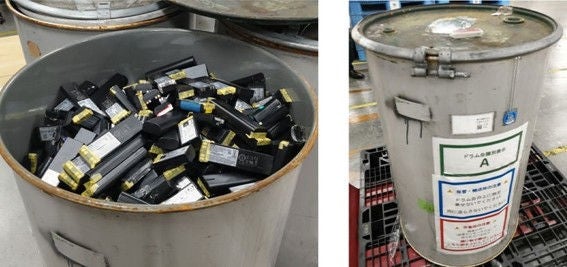
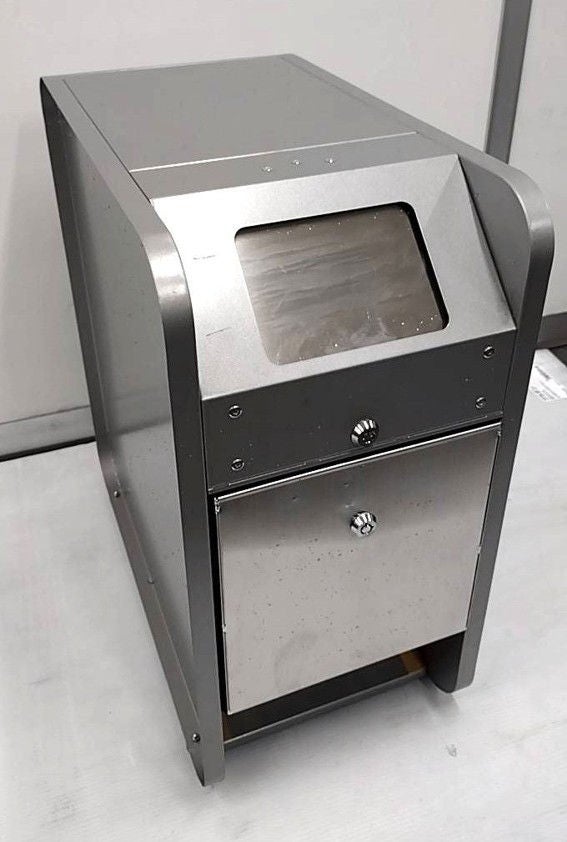
Battery waste is a growing problem because improper disposal poses environmental and human health risks. Together with partners, we have developed a smart, connected collection bin and cloud-based service in Japan, which can be used by local governments to establish safe circular processes for consumer-sized lithium-ion batteries.
Using recyclable and recycled materials in our products
We commit to meeting the needs of customers with easy-to-use, robust and reliable printers that perform stably when operated by anyone in any environment. In product development, we adhere to various principles under what we call the “Simple & Solid” concept, and one of them is eco-friendliness.
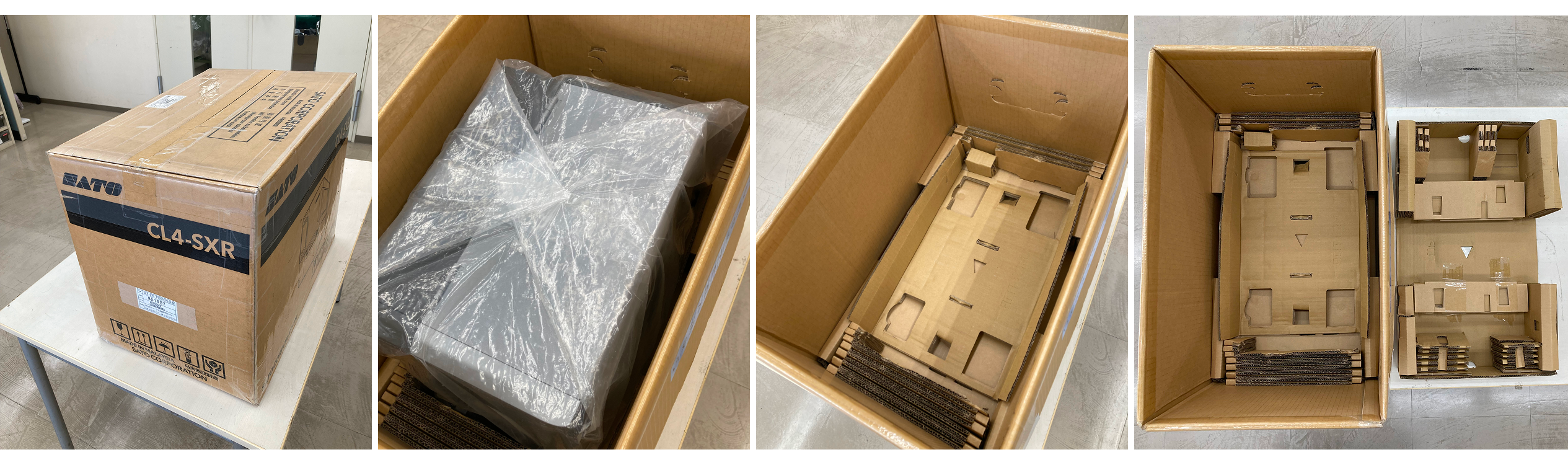
To build eco-friendly products, we use aluminum parts that can be disassembled and recycled. In the case of product packaging, we use recyclable corrugated cardboard instead of plastic foams for cushioning — even when this can be technically complex for our larger printer models.
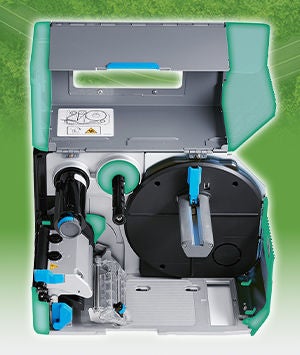
We also aim to use more recycled plastics in our printers. For example, we started procuring and using recycled ABS, which now makes up 34 percent of the printer casing’s resin components for our flagship CL4-SXR and CL6-SXR models.
Recycling label liners
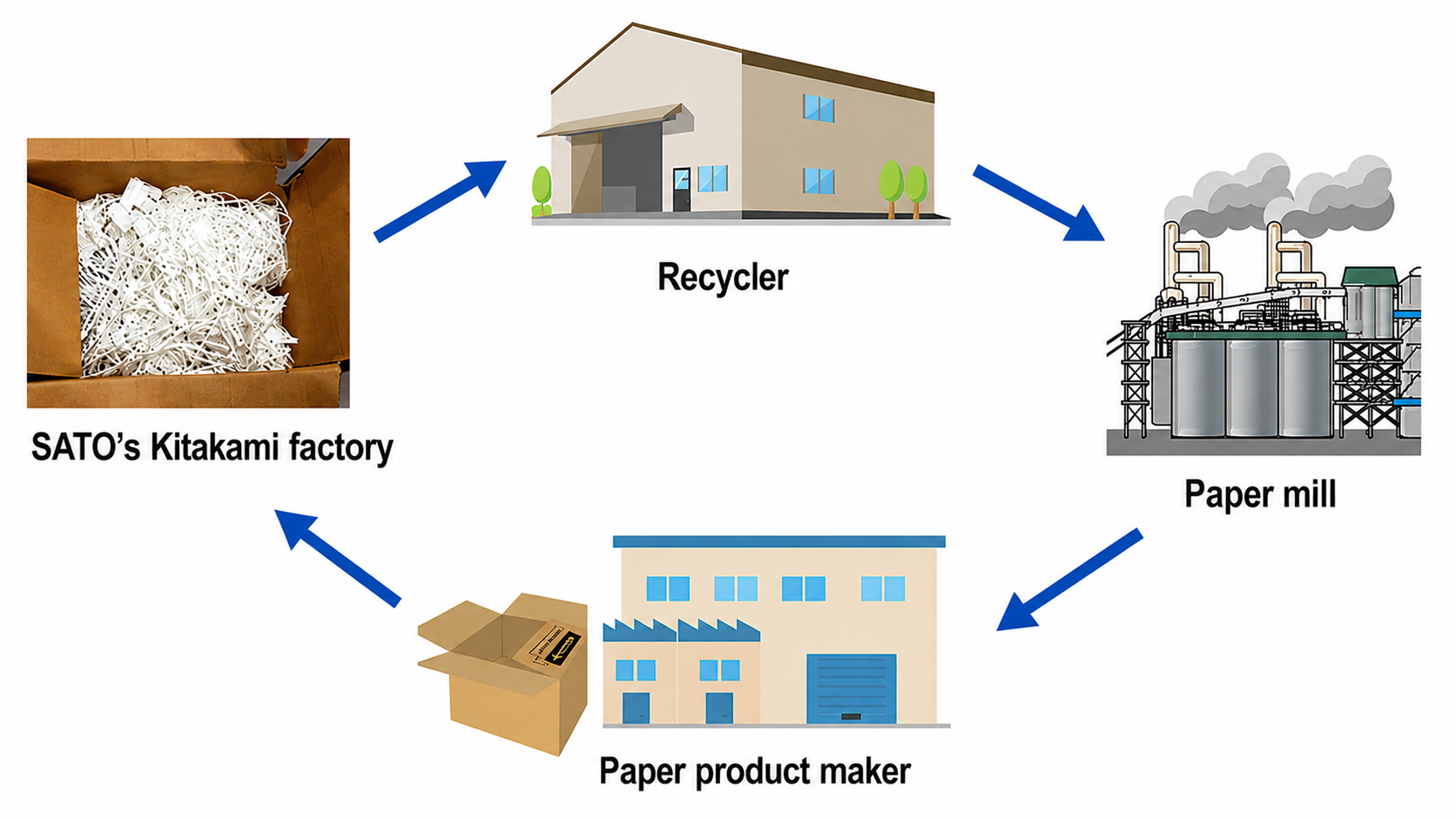
As labels are a core part of our business, we have developed and launched a recycling program for release liners, a by-product of label manufacturing at our factory in Kitakami, Japan. Release liners — the backing paper that protects the sticky surfaces of labels — typically end up as waste because they are silicone-coated and difficult to recycle.
Under this program, we work with recyclers, paper mills and paper product makers, sending liner waste from our factory for processes such as pulping, pressing and corrugating to produce recycled cardboard sheets that are then made into carton boxes.
Recycling not only transforms waste into resources but also diverts waste away from incinerators. In FY 2025, we recycled 7.8 metric tons of label liners, which translates to approximately 9.5 metric tons of carbon savings.